
Disclaimer:
This article provides general information only and does not constitute insurance advice. Insurance policies vary significantly between providers and your individual circumstances matter. Always read policy documents carefully and consult with an insurance adviser for recommendations specific to your situation.
Key Takeaways
- Landlord insurance provides coverage beyond standard house insurance, specifically designed for rental properties.
- Key covers include building, contents, loss of rent, landlord liability, and tenant damage.
- Standard house insurance often excludes or limits cover for rental situations.
- Methamphetamine contamination cover has become increasingly important but varies between policies.
- Premiums are tax-deductible as a rental property expense.
Owning rental property comes with risks that your standard home insurance simply does not cover. Landlord insurance is specifically designed to protect property investors from the unique risks associated with renting out property, from tenant damage to loss of rental income.
Many landlords make the mistake of assuming their regular house insurance covers rental situations. While building insurance typically remains in place, many of the additional covers you need as a landlord are either excluded or require specific landlord insurance to activate.
What Landlord Insurance Covers
Building Insurance
This covers the physical structure of your rental property against events like fire, storm, flood, earthquake, and other insured perils. Most standard policies include this, but it is worth confirming your sum insured is adequate and reflects current replacement costs, not just the market value.
Landlord Contents
If you provide furniture, appliances, or other contents in your rental property, these can be covered under landlord contents insurance. This covers your items, not the tenant's belongings; tenants need their own contents insurance for their possessions.
Loss of Rent
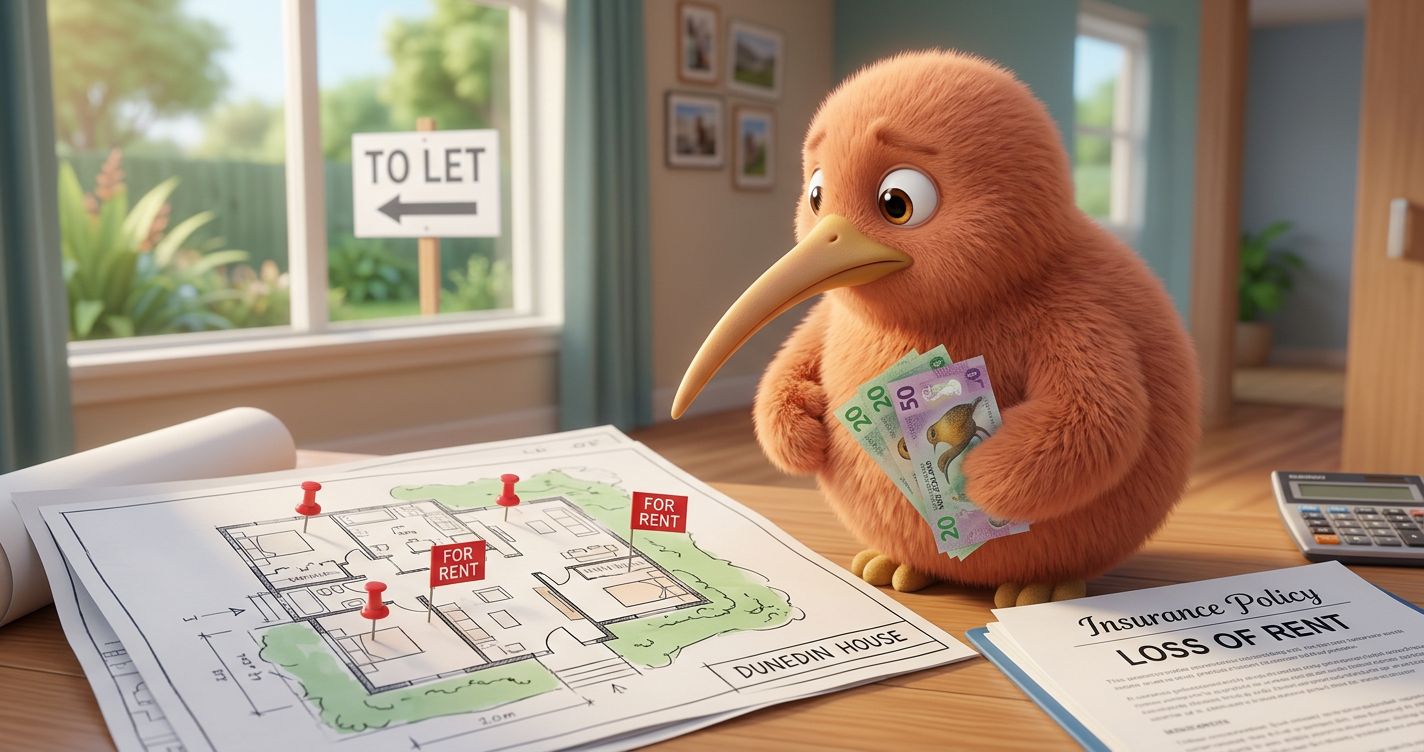
If your property becomes uninhabitable due to an insured event, loss of rent cover compensates you for the rental income you would have received. This is crucial for maintaining your cash flow while repairs are completed. Cover periods typically range from 12 to 24 months.
Related: Loss of Rent Insurance Explained
Landlord Liability
This covers your legal liability if someone is injured at your property or their property is damaged due to your negligence as a landlord. For example, if a tenant or visitor is injured due to a defect in the property that you should have fixed, liability cover helps pay for legal costs and compensation.
Related: Public Liability for Property Investors
Intentional Tenant Damage
One of the most important covers for landlords, this protects you when tenants deliberately damage your property. Standard insurance typically only covers accidental damage, leaving you exposed to intentional acts. Intentional damage cover usually has specific limits and excess amounts.
Typical Landlord Policy Covers:
- Building: Fire, storm, flood, earthquake, etc.
- Contents: Landlord-owned items in the property
- Loss of rent: Income protection during repairs
- Liability: Injury or property damage claims
- Tenant damage: Both intentional and accidental
- Theft by tenant: Often included with conditions
Methamphetamine Contamination
Meth contamination has become a significant concern for landlords. Remediation costs can run into tens of thousands of dollars, and your property may be uninhabitable until cleaned. Some policies include meth cover as standard, others offer it as an add-on, and some exclude it entirely.
When comparing policies, check the meth cover carefully. Look at the maximum payout, whether there is a separate excess, and what contamination level triggers the cover. Some policies only cover contamination above certain thresholds.
Related: Meth Contamination: Prevention and Response
What Is Not Covered
Understanding exclusions is just as important as understanding covers. Common exclusions in landlord insurance include:
Common Exclusions:
- Wear and tear; gradual deterioration
- Pre-existing damage or defects
- Damage caused by lack of maintenance
- Loss of rent due to tenant non-payment (different from uninhabitability)
- Body corporate or strata-covered portions
- Properties left vacant beyond specified periods
- Illegal activity by the landlord
Choosing the Right Policy
Compare Cover, Not Just Price
The cheapest policy is not necessarily the best. Compare what each policy covers, the limits on each cover, and the excesses that apply. A policy that costs $200 less per year but has a $5,000 excess on tenant damage may not be the better choice.
Consider Your Specific Risks
A beachfront property has different risks than an inner-city apartment. A fully furnished rental needs more contents cover than an unfurnished one. Think about your specific situation and ensure your policy addresses those risks.
Questions to Ask Insurers:
- ☐ What is the limit on intentional tenant damage cover?
- ☐ How long is loss of rent covered for?
- ☐ Is meth contamination included and to what limit?
- ☐ What excesses apply to each type of claim?
- ☐ Are there any vacancy restrictions?
- ☐ What documentation is required for claims?
Making a Claim
When you need to make a claim, documentation is everything. Keep records of your property's condition with regular inspections and photos, maintain records of all maintenance and repairs, and keep copies of your tenancy agreement and communications with tenants.
Report claims promptly; most policies require notification within specific timeframes. Be thorough and honest in your claim documentation, and keep copies of everything you submit.
Related: Tenant Damage: Prevention and Claims
Tax Deductibility
Insurance premiums for your rental property are fully tax-deductible as a rental expense. This reduces the effective cost of your insurance. Keep your premium invoices as part of your rental property records for tax purposes.
Related: Property Investment Tax Deductions
The Bottom Line
Landlord insurance is not optional for serious property investors. The costs of going uninsured or underinsured can be devastating, while premiums are relatively modest and tax-deductible. Take time to understand what you are buying, compare policies beyond just price, and review your cover regularly as your portfolio and circumstances change.
Your rental property represents a significant investment. Protecting it properly with appropriate insurance is one of the smartest decisions you can make as a landlord.
Frequently Asked Questions
Is landlord insurance mandatory in NZ?
No, landlord insurance is not legally required. However, if you have a mortgage, your lender will require building insurance. Comprehensive landlord insurance is strongly recommended to protect your investment, even if not legally mandated.
How much does landlord insurance cost?
Premiums vary based on the property value, location, type of cover, and your claims history. Expect to pay between $500 and $1,500 per year for a typical residential rental, though high-value properties or those in higher-risk areas will cost more.
Can I use my regular house insurance for a rental property?
You must inform your insurer if you are renting out your property. Standard home insurance often excludes or limits cover for rental situations. You may need to switch to a specific landlord policy or add landlord endorsements to your existing cover.
Does landlord insurance cover rent arrears?
Generally, no. Loss of rent cover applies when the property is uninhabitable due to an insured event, not when a tenant simply stops paying. Some insurers offer rent protection as an add-on, but this is different from standard loss of rent cover.
Related Articles
Loss of Rent Insurance NZ Explained
Understand how loss of rent insurance protects your rental income when your property becomes uninhabitable. Learn what triggers cover, claim

Public Liability Insurance for Property Investors NZ
Understand public liability insurance for landlords in New Zealand. Learn what it covers, why you need it, and how to protect yourself from

Tenant Damage: Prevention and Claims NZ
Learn how to prevent tenant damage and successfully claim for repairs when damage occurs. Understand the difference between damage and fair

Meth Contamination for Landlords NZ: Prevention and Response
Learn how to prevent, detect, and respond to methamphetamine contamination in rental properties. Understand testing standards, decontaminati